Palm Harbor nutrition coaching and what actually matters with fad diets and organic food
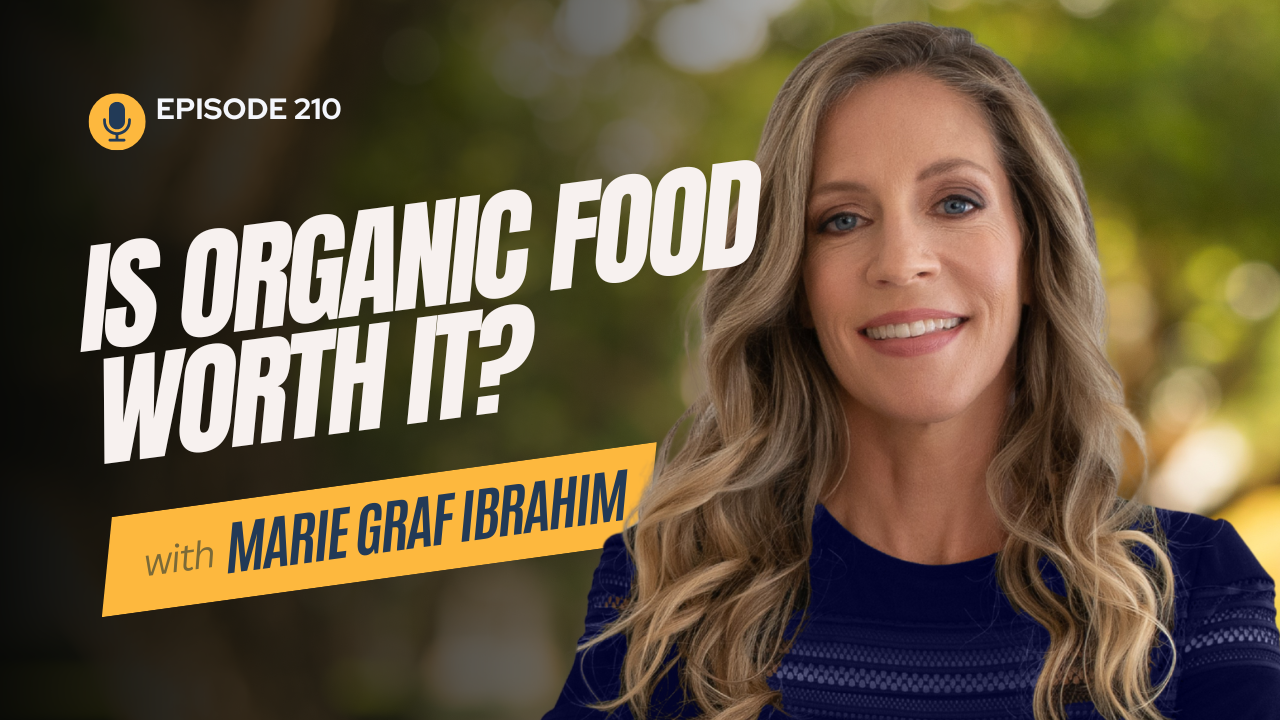
If you’ve ever felt overwhelmed by nutrition advice, you’re not alone. In this episode, we dig into Palm Harbor nutrition coaching with registered dietitian nutritionist Marie Graf Ibrahim and break down what’s real, what’s noise, and what’s actually workable in everyday life.
We cover the difference between a “nutritionist” and a registered dietitian, how fad diets fit (or don’t) into long-term health, and how to think about organic food without turning grocery shopping into a second job.
What makes a registered dietitian different from a “nutritionist”
One of the most helpful parts of this conversation is the clarity around credentials. Marie explains that registered dietitians go through formal education, supervised training, and a credentialing process—because the work often overlaps with medical conditions, medications, and disease states.
That matters because nutrition isn’t just “eat this, not that.” It’s often tied to how your body is functioning, what your goals are, and what your health history looks like.
If you’re newer to the show, you can browse more local expert conversations here: https://palmharborlocal.com/podcast/
The outpatient difference: less “rules,” more real life
Marie spent years in hospital settings (including pediatric and neonatal ICUs) before moving into outpatient work. The key difference: outpatient care gives more room for practical, personalized coaching—because you’re working with real life, not hospital liability and short-term restrictions.
A big takeaway here is that the best nutrition plan is the one that:
-
fits your lifestyle,
-
supports your health needs,
-
and is sustainable beyond a 2-week motivation burst.
A simple baseline for healthier eating (without getting fancy)
Marie’s core approach is refreshingly straightforward:
-
Lean toward whole foods
-
Minimize highly processed foods
-
Prioritize clean water
-
Build consistency before perfection
That’s it. You can “optimize” later. Start by building a foundation you can repeat.
[Image Placeholder: “Palm Harbor nutrition coaching simple whole foods baseline with minimal processed foods and clean water”]
Organic food: worth it, but keep it realistic
Organic food can be a worthwhile upgrade—especially given how much more exposure many people have today to additives, chemicals, and highly processed options.
Marie also keeps it practical: it’s not realistic (or even necessary) for everyone to go fully organic overnight, especially with today’s prices. Her suggestion is to move toward organic as your budget allows, and focus on the biggest wins first.
If you want a plain-English overview of what the USDA organic label actually means, this is a solid reference:
https://www.ams.usda.gov/services/organic-certification/organic-basics
A smart workaround: grow a small percentage yourself
One of the most interesting parts of the episode is Marie’s angle on food costs: don’t just accept the price tag as the end of the story. Consider rebuilding the skill of producing some of your own food—whether that’s:
-
a couple raised beds,
-
patio containers,
-
herbs in the kitchen,
-
or microgreens indoors.
Even producing 10–20% of your own food can add up over time—and it’s surprisingly doable in Florida’s growing conditions.
And honestly, it fits Palm Harbor’s community vibe: neighbors trading citrus, herbs, tomatoes, or whatever grows best in their yard.
“Healthy” processed foods: better label, same problem?
We also get into a common trap: buying “healthy” packaged foods because the front label sounds good.
Marie’s rule of thumb is still the best one:
-
The more processed the food, the more likely nutrients are degraded and additives sneak in.
-
Organic processed foods can reduce certain additives, but it’s still processed food.
So the strategy isn’t “never buy it.” It’s “don’t let it become the foundation of your diet.”
Food labels are confusing on purpose (and there’s a learning curve)
Egg labels, meat labels, “grass-fed but grain-finished,” and everything in between—Marie acknowledges what most people feel: it’s confusing and easy to overthink.
Her advice: give yourself grace. There’s a learning curve at first, but once you learn what to look for, it gets much easier. (And this is exactly where working with a credentialed pro can save you a lot of time and frustration.)
Fad diets: less hype, but a new problem has replaced it
Instead of new diets constantly trending, Marie sees a shift toward something riskier: under-eating and “not nourishing” the body—sometimes driven by medication use or social media pressure.
Her point is direct: restrictive patterns can come with real health risks, and “less food” isn’t automatically a solution if it undermines nutrition status, hormones, energy, and long-term wellbeing.
Want support? Here’s how to connect with Marie
Marie offers a complimentary consultation to see if it’s a fit, and you can learn more about her services here:
https://www.marieegrafwellness.com/
Scheduling link: https://app.acuityscheduling.com/schedule.php?owner=29074446
If you enjoyed this episode, subscribe to Palm Harbor Local and join the weekly newsletter so you don’t miss local stories, practical takeaways, and community spotlights:
https://palmharborlocal.com/
https://palmharborlocal.com/newsletter/