Palm Harbor chiropractic care myths and what most people still get wrong
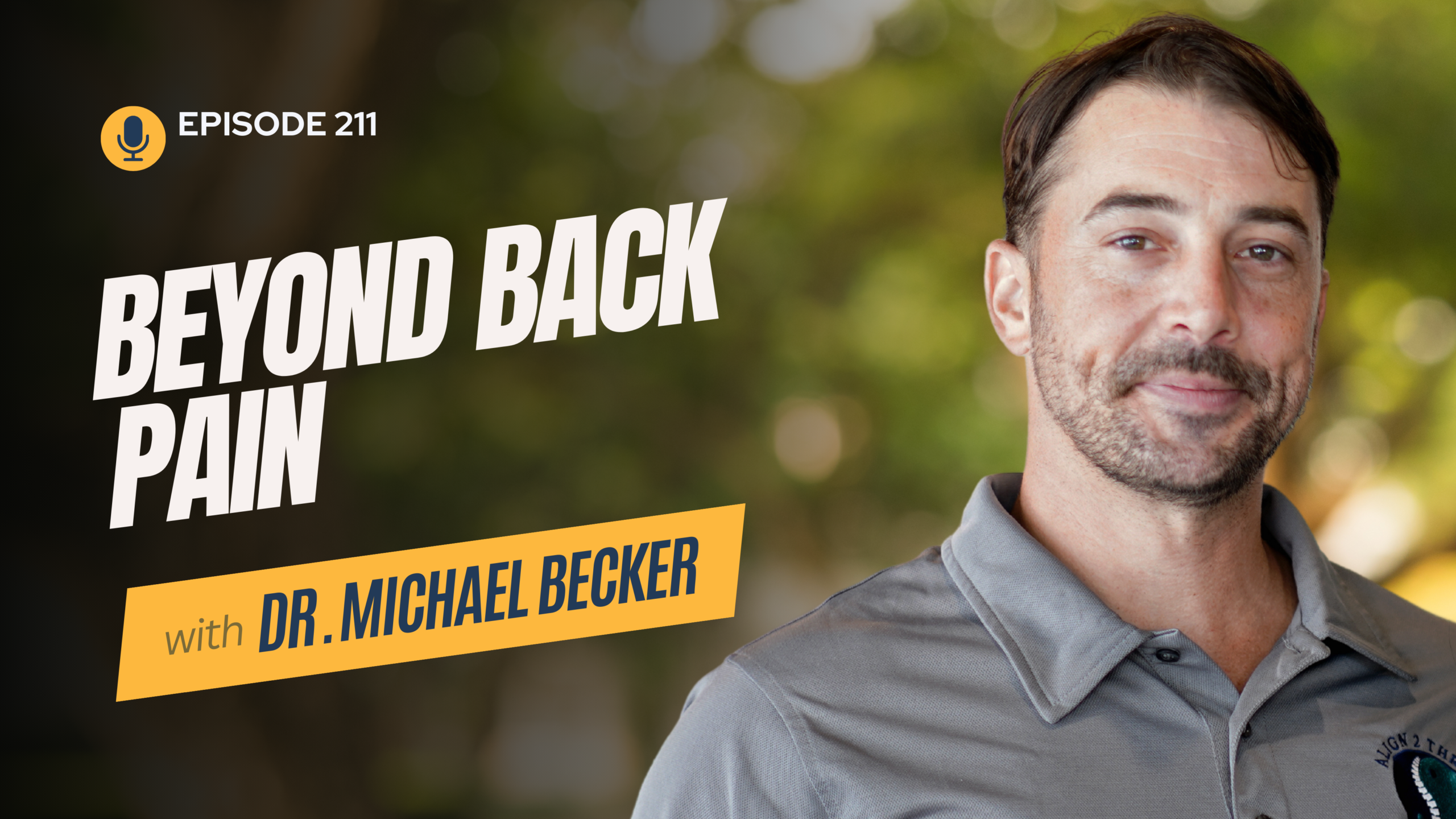
If you’ve ever wondered whether chiropractic is “just for back pain,” you’re not alone. In this episode of Palm Harbor Local, we unpack the most common Palm Harbor chiropractic care myths with Dr. Michael Becker of Align 2 Thrive Chiropractic—and why the profession is evolving in a way most people haven’t noticed yet.
This conversation isn’t about hype or quick fixes. It’s about understanding what chiropractic can (and can’t) do, why people feel different after an adjustment, and how a more wellness-focused approach is changing the way locals think about care.
The origin story that made chiropractic “real” for him
Michael didn’t stumble into chiropractic through a marketing pitch. He experienced a serious health issue as a kid—extreme hip pain, hospital tests, no clear answers—and then a chiropractor visited him in the hospital and adjusted him. The next morning, the pain was gone.
That moment planted a lifelong idea: if the body can change that fast when the right thing is corrected, then maybe there’s more going on than “symptoms → medication.”
It also shaped how he practices now: less about chasing pain, more about helping the body function the way it’s designed to function.
“Landing the move” is a skill, but trust is the real work
A big takeaway: the adjustment itself is only part of the equation.
Michael explains how chiropractors build the hands-on skill over time—learning to palpate joints, feel restricted motion, and “land” an adjustment with confidence. But he also explains something most patients don’t consider: your body has to allow change.
He described it like a dance. The chiropractor can lead, but the patient has to be able to relax, breathe, and let the body accept the correction. That’s why a great chiropractor isn’t just technical—they’re also reading nervous system stress, muscle guarding, and how prepared someone is to let go.
If you’re a business owner, this will sound familiar: competence matters, but connection and communication are what create results.
Palm Harbor chiropractic care myths: safe, effective, or “not real”?
Michael directly addresses the most common objections:
Myth 1: “Chiropractic is dangerous.”
He points out a simple reality: chiropractors carry some of the lowest malpractice insurance rates among healthcare providers—if the work were broadly dangerous, the insurance market would price that risk accordingly.
He also acknowledges that some people feel sore after care. His framing is useful: soreness can be part of change. When the body shifts out of long-held compensation patterns, tissues finally get circulation and movement again—and that can feel like “work.”
Myth 2: “Chiropractic isn’t scientific or effective.”
His stance is blunt: the research exists—you just have to actually look for it. And more broadly, this is where the industry is headed: better studies, better measurement, clearer explanations of why patients often report improvements in stress tolerance, movement, and overall function (not just pain).
If you want a credible reference point on mainstream clinical guidance, the American College of Physicians recommends non-drug options (including spinal manipulation) as initial treatment choices for certain types of low back pain. ACP Online+1
The bigger point: the shift from “sick care” to real wellness
One of the strongest moments in the episode is Michael’s critique of modern healthcare incentives. He says many people don’t get guidance on lifestyle, nutrition, movement, recovery, or prevention—meaning the system often functions more like “sick care” than healthcare.
Whether or not someone agrees with his phrasing, the trend is obvious: people are looking for proactive, whole-body support. They want better energy, better sleep, better movement, and fewer “I guess this is just normal now” aches.
That’s also why chiropractic is becoming more specialized—similar to medicine. Michael talks about chiropractic moving beyond the one-size-fits-all reputation and into clearer lanes: sports/injury, neurology-focused care, prenatal and pediatric care, and more.
Car accidents: what people ignore early becomes a problem later
If you’ve ever heard someone say, “It was just a little bump—my neck’s fine,” Michael explains why that can be a costly assumption.
His simplified explanation:
-
Ligaments stabilize the spine (like rubber bands).
-
When they’re stretched in a collision, they may not fully rebound.
-
That instability can lead to abnormal motion, compensation, and eventual disc/nerve irritation.
-
The body adapts to protect you—but those adaptations can become long-term dysfunction.
His message is practical: chiropractic can be a strong tool for recovery, but the patient has to do their part too. He frames it as 50/50—care plus follow-through.
Pediatrics and pregnancy: the part most people never hear about
Near the end, Michael shares a story that stops people in their tracks: he checked and gently adjusted his newborn shortly after birth. Not forceful—light contact, assessing range of motion, supporting the nervous system.
He ties that to development and “primitive reflexes”—automatic survival reflexes that should integrate into mature movement patterns over time. When reflexes are retained, it can show up as things like coordination challenges or gait issues.
Whether you’re a parent or not, the broader theme matters: chiropractic isn’t being positioned as “back pain care” anymore. In many clinics, it’s being positioned as nervous-system-centered care aimed at function, adaptation, and development.
Where to learn more (and support local)
If you want to connect with Dr. Michael Becker and learn more about Align 2 Thrive Chiropractic, here are the links:
-
Align 2 Thrive Chiropractic: https://align-2-thrive.com/
-
Instagram: https://www.instagram.com/align2thrivechiro/ Instagram
And if you want more conversations like this—local businesses, local experts, and real stories from Palm Harbor:
-
Visit PalmHarborLocal.com: https://palmharborlocal.com/
-
Join the weekly newsletter: https://palmharborlocal.com/newsletter/
If this episode challenged what you assumed about chiropractic, you’ll get even more out of the full conversation. Subscribe to Palm Harbor Local, join the newsletter at PalmHarborLocal.com, and follow along on Instagram for behind-the-scenes clips and local spotlights.