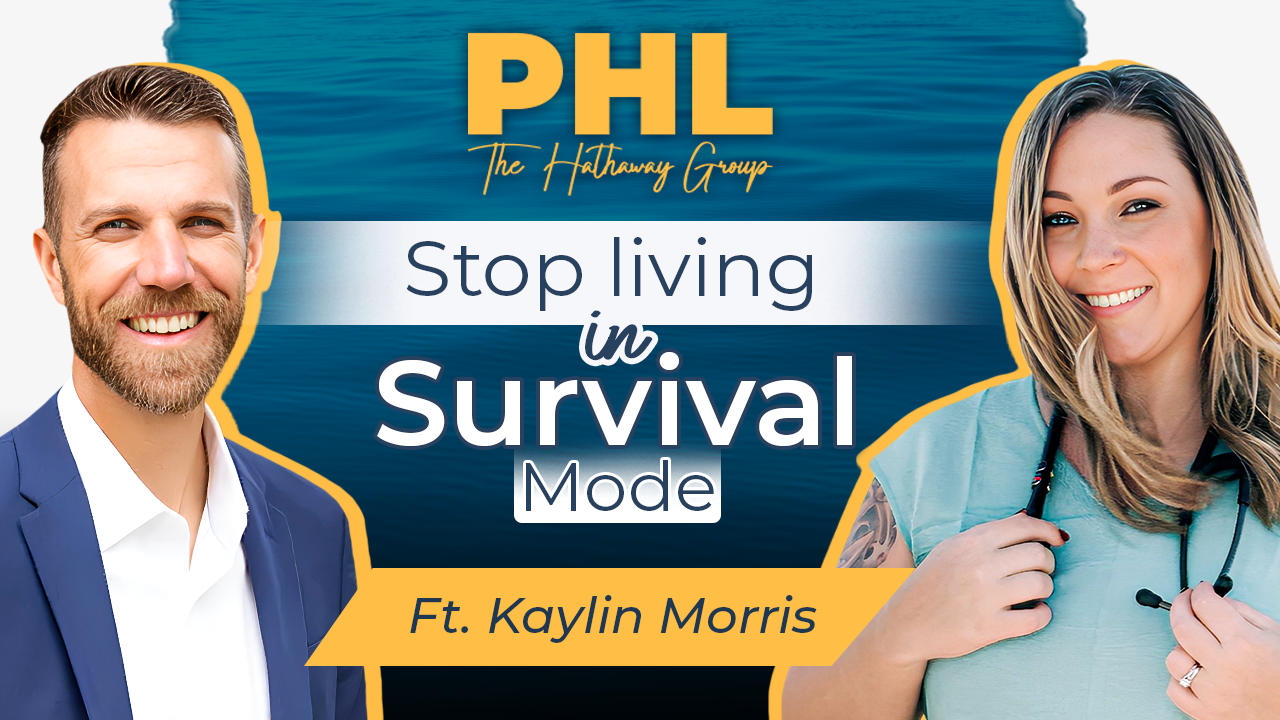
If you’ve been feeling “off” for a while—low energy, stubborn stress, digestive issues, or hormones that feel like they’re running the show—you’re not alone. In this episode of Palm Harbor Local, we talk about integrative medicine Palm Harbor and what it looks like when healthcare is built around the whole person, not just a diagnosis.
Our guest, Kaylin Morris, APRN, is the founder of Salty Roots Integrative Wellness, and her story starts in traditional healthcare—where she noticed more people getting sicker—and led her into a wellness-focused practice designed for real life. The result is a practical approach to feeling better that emphasizes lifestyle, lab work, and sustainable routines.
Why integrative medicine is gaining traction locally
Kaylin describes a shift she saw firsthand: more people want to be proactive, not reactive. Instead of “wait until things get bad,” they want to understand what’s happening early—especially around stress, fatigue, gut issues, and hormone changes.
This aligns with the broader “whole-person health” movement: an approach that considers multiple interconnected factors that influence health—not just isolated systems.
For Palm Harbor and the Tampa Bay area specifically, it also fits modern life:
-
Busy schedules and commuting pressures
-
Families juggling school, sports, and work
-
A rising interest in wellness services (fitness, mobility, nutrition, recovery)
-
Increased use of telehealth and virtual care since COVID
Kaylin’s model is largely virtual and concierge-style, which removes a major barrier: taking half a day off for an appointment.
For more community stories like this one, visit PalmHarborLocal.com and browse the latest episodes:
Stress is not “just in your head,” and it’s not harmless
One of the strongest themes in the conversation is stress—because stress quietly drives a lot of downstream issues: sleep disruption, inflammation, energy crashes, and inconsistent eating habits.
Kaylin’s point is direct: your body can adapt… until it can’t. When people finally feel the symptoms, the “damage” (or at least the pattern) has been building for a while.
Her practical recommendation is not complicated:
-
Start the day with 15–20 minutes to yourself
-
Get outside when you can (even if the sun isn’t up yet)
-
Use planning to reduce decision fatigue
-
Protect sleep like it’s a non-negotiable input (because it is)
This is integrative medicine at its best: less drama, more consistency.
Gut health, food reactions, and the elimination diet approach
Gut health comes up because it affects far more than digestion. Kaylin explains that many people don’t realize how food choices, processed “health foods,” and even sugar substitutes can irritate the gut and leave people feeling bloated, inflamed, and drained.
One practical tool she recommends is the elimination diet—not as a trendy cleanse, but as a structured way to identify what your body tolerates:
-
Strip the diet down to basics for a short window
-
Reintroduce foods slowly, one category at a time
-
Pay attention to symptoms and patterns
In her practice, she often uses a phased approach so you can actually tell what’s working and what isn’t.
She also makes an important point that gets missed online: “gluten-free” (or “sugar-free”) doesn’t automatically mean better—sometimes those products contain additives that still don’t sit well for certain people.
Hormones, anxiety, and why “the gut” keeps showing up in wellness
Kaylin works with many middle-aged women dealing with fatigue, anxiety, and hormonal symptoms that don’t resolve with the standard quick fixes. She explains how integrative care looks for the why behind symptoms—rather than only managing the surface-level issue.
This fits the integrative model described by major medical organizations: bringing conventional and complementary approaches together for coordinated, whole-person care.
The big takeaway here: feeling better often requires a combination of:
-
lifestyle changes you can sustain
-
targeted testing (when appropriate)
-
symptom support short-term, paired with root-cause work long-term
A simple “start here” plan: exercise, protein, sleep, and key nutrients
If you want a clean starting point, Kaylin offers three pillars:
-
Exercise (find something you enjoy so you’ll keep doing it)
-
Diet upgrades (especially protein and simple planning)
-
Stress reduction (because chronic stress compounds everything)
She also calls out two nutrients she sees often come back low in patients:
-
Vitamin D (commonly discussed in relation to bone, muscle, and immune function)
-
Magnesium (a frequent focus due to its role in multiple body systems)
Important note: supplements are not one-size-fits-all. If someone has medical conditions or takes medications, they should talk with a qualified clinician before starting new supplements.
Why alcohol comes up in integrative conversations
You and Kaylin also talk candidly about alcohol—because once people start paying attention to how they feel, alcohol is often a noticeable lever.
Recent research and medical commentary continues to explore how alcohol can contribute to inflammation and weaken the gut barrier, even with short bursts of heavy intake.
The practical point isn’t moralizing—it’s awareness:
If you remove alcohol and feel materially better, that feedback matters.
How to connect with Kaylin Morris and Salty Roots Integrative Wellness
Kaylin offers free 30-minute consultations to see if it’s a fit, and her website links directly to booking.
-
Salty Roots Integrative Wellness: https://www.saltyrootsintegrativewellness.com/
-
Instagram: https://www.instagram.com/your_integrative_np?igsh=MXg2Yjl3NjN6bnk1eA%3D%3D&utm_source=qr
If you enjoyed this episode, subscribe to Palm Harbor Local, share it with a friend, and join the weekly newsletter here:
https://palmharborlocal.com/newsletter/